Electronic Waste Collection Solutions: Optimizing Your Recycling Efforts for a Sustainable Future
E-waste collection services are transforming how people and companies manage their recycling efforts. These solutions streamline the disposal process while maintaining environmental compliance. They not only lessen the difficulty of hauling heavy electronic equipment but also promote eco-friendly practices. As growing numbers of consumers pursue environmentally responsible options, grasping the details of these services is increasingly important. What criteria should one examine when picking an electronic waste pickup provider? The response might catch you off guard.
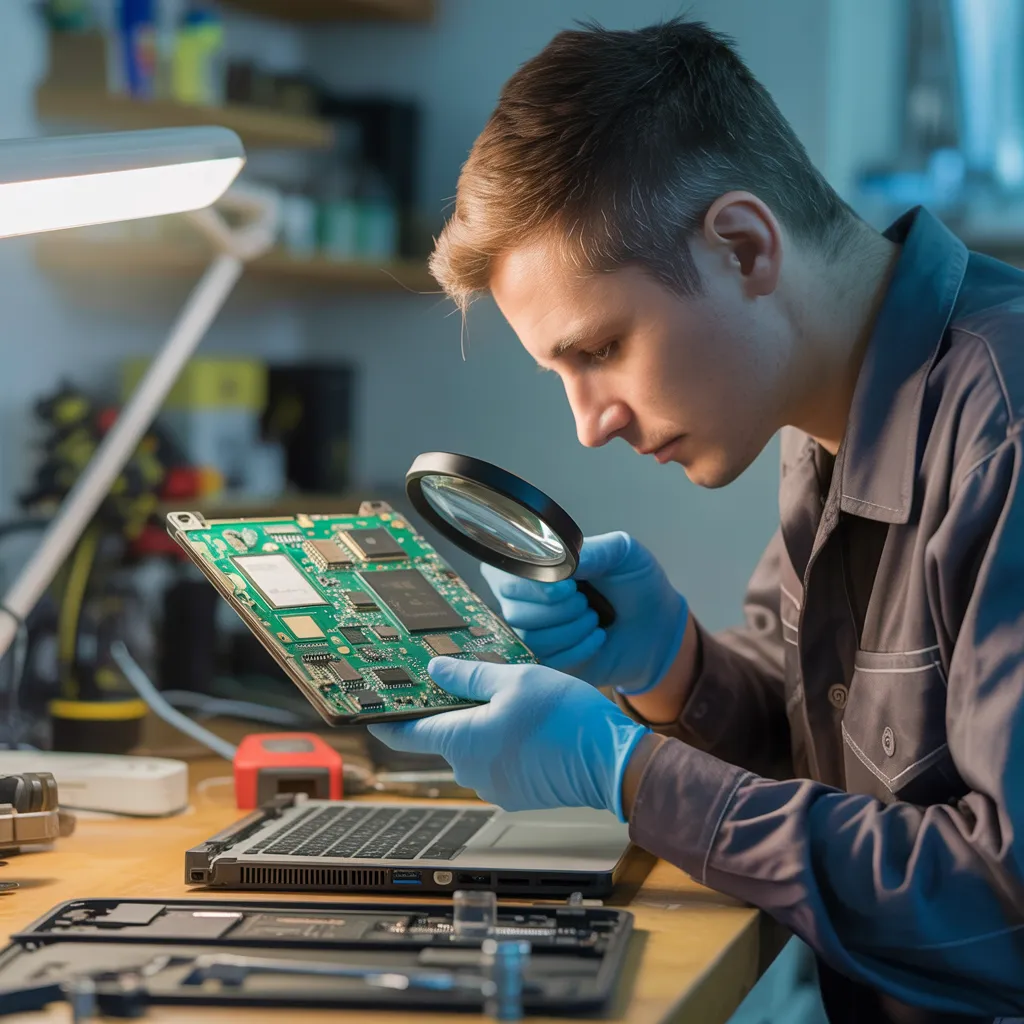
How E-Waste Pickup Lessens Environmental Impact
E-waste collection services serve a critical role in reducing the environmental impact of disposed electronics, as they support the responsible collection and recycling of dangerous substances. These initiatives work to prevent toxic substances, such as cadmium, lead, and mercury, from polluting soil and water sources. By efficiently collecting and transporting e-waste, they confirm that hazardous materials are processed in accordance with environmental regulations.
Additionally, electronic waste collection services encourage the recovery of resources by redirecting precious materials, like gold, copper, and silver, back into the production process. This decreases the need for virgin raw materials, consequently preserving natural resources and decreasing energy expenditure related to the mining and processing of materials.
Furthermore, these programs raise public awareness about the significance of correct e-waste handling, inspiring individuals and businesses to adopt sustainable practices. Overall, e-waste retrieval services significantly support a healthier, cleaner environment by managing the challenges posed by electronic waste.
Why You Should Use E-Waste Pickup Services
Electronic waste pickup services offer considerable benefits for homeowners and organizations alike. These services provide flexible collection solutions, ensuring the removal of obsolete electronics is stress-free. Furthermore, they ensure environmentally responsible disposal practices, contributing to the reduction of ecological damage caused by e-waste.
Easy Collection Choices
For individuals and businesses looking to handle the responsible disposal of e-waste, leveraging pickup services delivers an effortless option. Such services supply adaptable collection choices that accommodate various timetables and demands. Users can typically select from a range of pickup times suited to both home and business locations. This does away with the necessity of moving cumbersome equipment to drop-off centers, conserving significant time and resources. Moreover, several e-waste pickup companies feature same-day or booked appointments, increasing overall accessibility. By optimizing the pickup process, these services inspire greater participation in electronics recycling, effectively minimizing the environmental consequences of e-waste. The ease of scheduling and collection promotes responsible disposal, making it a practical choice for those looking to contribute to a greener future.
Eco-Friendly Disposal Methods
Using e-waste pickup services guarantees that electronic equipment are managed with environmental responsibility. These services specialize in handling multiple categories of electronic waste, ensuring that harmful substances, including lead and mercury do not enter landfills. By partnering with certified recyclers, electronic waste collection services support resource preservation by recovering valuable materials, minimizing the requirement for new raw materials. Furthermore, these services often comply with local and international regulations, encouraging sustainable operations. Companies and individuals benefit from the practicality of planned pickups, easing the challenge of moving large items. Ultimately, embracing eco-friendly disposal methods through e-waste pickup services builds a foundation of sustainable thinking, promoting conscientious consumer habits and minimizing ecological impact.
What to Expect for E-Waste Pickup?
What can individuals expect from an e-waste pickup? Participants can expect a simplified procedure created to support the responsible recycling of electronic devices. Initially, a scheduled appointment will be confirmed, allowing for convenient planning. When Contact us the pickup day arrives, a trained team will be on hand to manage a wide range of electronic devices, guaranteeing safe handling and a smooth experience.
Users should prepare their e-waste by categorizing the items to be picked up, as this may speed up the pickup process. The collection crew may provide guidance on what can and cannot be accepted. Safety measures are often in place, including personal protective equipment and correct handling practices for potentially harmful items.
Moreover, transparency plays a vital role; clients are often given a detailed receipt of the electronics gathered, emphasizing the commitment to environmentally conscious disposal. All in all, the e-waste collection service is designed to simplify the electronics recycling journey while supporting environmentally friendly practices.
Key Criteria for Selecting an E-Waste Pickup Service
How does one ensure they are choosing the most suitable e-waste pickup service? Choosing the right service demands thorough evaluation of a number of important factors. First, it is vital to verify the service's certifications and compliance with local and national environmental regulations. This guarantees that e-waste is handled responsibly and legally. Next, one should assess the company's reputation through customer reviews and testimonials, providing insight into their reliability and professionalism.
Additionally, considering the breadth of services available can be helpful; a thorough service may include data destruction, recycling, and refurbishment options. Furthermore, transparency in pricing is important; transparent, upfront pricing helps prevent surprise charges. Ultimately, examine the business's responsiveness and client service, as open communication promotes a more efficient pickup encounter. By focusing on these criteria, individuals and businesses can confidently select an e-waste pickup service that aligns with their sustainability goals.
Scheduling Your E-Waste Pickup?
What is the optimal time to arrange an e-waste pickup? Timing can greatly impact the efficiency of the recycling process. The ideal approach is for individuals to arrange pickups on weekdays, as service providers typically have more open slots during these days. Morning hours or late afternoon slots can also be beneficial, since these periods generally see reduced traffic, enabling faster service.
Furthermore, planning ahead is essential. Users are advised to reserve pickups multiple days in advance, especially during peak seasons or community recycling events. This confirms that the preferred service can address individual needs and expectations.
Additionally, synchronizing the collection with everyday domestic duties or sorting endeavors can simplify the overall effort. By coordinating the e-waste retrieval with individual timetables, households can ensure the recycling process is smoother and more convenient. At the core, careful planning fosters a more streamlined electronics recycling endeavor, nurturing a dedication to long-term environmental stewardship.
What Does the Future Hold for E-Waste Recycling?
As the e-waste problem keeps expanding, advancing recycling innovations stand ready to reshape the landscape. Anticipated policy changes may further enhance recycling efforts, while groundbreaking collection strategies aim to simplify e-waste disposal. Collectively, these changes stand to considerably enhance the productivity and success of e-waste recycling efforts.
Emerging Technologies in Recycling
Innovations in technological development are expected to reshape e-waste recycling, boosting efficiency and sustainability. Cutting-edge robotics and automated classification systems are continually being adopted by recycling facilities, enabling the accurate segregation of recoverable resources from electronic waste. Artificial intelligence (AI) serves a vital function in streamlining these operations, facilitating real-time decision-making and improving recovery rates. Moreover, pioneering techniques such as advanced hydrometallurgical and biotechnological processes promise to isolate rare metals with limited harm to the environment. Distributed copyright technology is being investigated for monitoring electronic waste across the recycling process, ensuring transparency and accountability. As these innovations advance, they will markedly reduce the environmental impact of e-waste disposal, paving the way for a more environmentally responsible future in the recycling of electronic devices.
Upcoming Policy Changes
Policymakers are moving forward with substantial legislative measures aimed at enhancing the management of electronic waste recycling. Such efforts aim to confront the escalating issues associated with e-waste and the harm it causes to the environment. Suggested guidelines encompass tighter standards for electronics makers related to overseeing product end-of-life processes, motivating them to create recyclable products. Furthermore, rewards for customers to return old electronics are being evaluated, fostering a culture of responsible disposal. Governments may also increase funding for e-waste collection initiatives, aiming to expand access and efficiency in electronic waste gathering. By fostering clarity and oversight within waste management operations, legislators aim to minimize landfill usage while enhancing material reclamation, thus establishing a more environmentally responsible framework for managing e-waste going forward.
Modern Collection Strategies
Revolutionizing electronic waste collection approaches is critical for improving recycling effectiveness and reach. Cutting-edge advancements, such as smartphone applications, enable scheduled collections, allowing consumers to plan collection at their convenience. Moreover, collaborations with nearby businesses and community hubs provide dedicated disposal sites, improving recycling accessibility. Smart receptacles equipped with sensors can track capacity levels, securing efficient collection and streamlining logistics. In addition, incentive-driven methods encourage participation by recognizing and compensating recycling contributions from individuals and groups. These developments not only simplify the gathering procedure but also raise awareness about the importance of responsible e-waste disposal. As these advanced techniques grow in popularity, they herald a more eco-friendly era for e-waste management, and ultimately supporting a more sustainable world.
Commonly Asked Questions
What Kinds of E-Waste Do You Accept for Pickup?
Electronic waste collection services commonly handle items such as old computers, televisions, smartphones, tablets, printers, and various electronic accessories. These programs work to properly recycle and manage electronic equipment in an environmentally friendly manner.
Do E-Waste Pickup Services Come With Any Fees?
Costs for electronic waste collection services may differ depending on your area and the type of electronic items being collected. A number of companies may supply no-cost retrieval, while others may charge fees depending on the volume or specific items.
How Is Data Security Protected During E-Waste Disposal?
Data safety during electronic waste disposal is secured through processes like secure data erasure, physical demolition of storage media, and verification from certified recyclers, securing critical information and deterring unauthorized access to individual and organizational data.
Do Businesses Have Access to E-Waste Pickup Services?
Absolutely, companies can make use of electronic waste collection services. Such services are tailored to meet the needs of organizations, providing efficient collection and recycling of electronic equipment while supporting environmental sustainability and conformity with guidelines for responsible e-waste disposal.
What Occurs with E-Waste Once It Has Been Collected?
Once e-waste has been collected, it undergoes sorting for recyclable materials, followed by dismantling and refinement. Hazardous materials are disposed of in a safe manner, while reusable metals and plastics are processed and repurposed, advancing sustainable resource management goals.